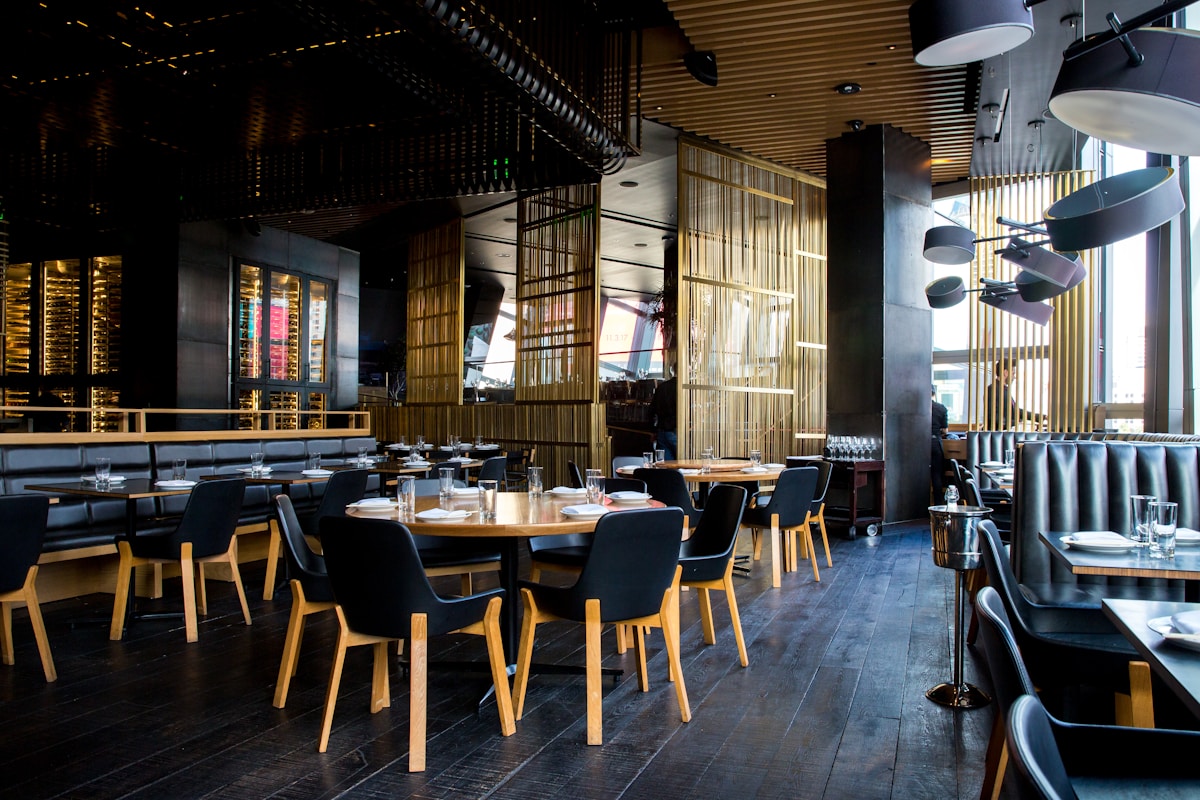
In our transaction-oriented culture, entertaining has largely morphed into an exercise in lifestyle stagecraft: carefully curated charcuterie boards photographed for social feeds, rigid two-hour dinner reservations where waitstaff rush guests toward the bill, and surface-level small talk about work projects and Netflix queues[1].
A true dinner party, however, is not a restaurant meal transported to a home. It is an intentional sanctuary of friendship—a temporal architecture designed to suspend time and allow human beings to reveal themselves without fear of judgment.
The Three Environmental Coordinates of Fellowship
Great conversation is fragile; it will not ignite in harsh conditions. The host must carefully calibrate three environmental axes:
- The Light (Below Eye Level): Overhead halogen bulbs trigger cortisol release and defensive postures. The table must be illuminated exclusively by live flame—unscented beeswax tapers placed at eye height, casting warm 1800K light that softens faces and draws the gaze inward toward the center.
- The Acoustics: Zero ambient digital pop music. If music is played at all, it should be soft acoustic jazz or cello sonatas played low on a turntable during arrival, then silenced once courses are served so that the natural rhythm of human laughter and clinking crystal takes over.
- The Absence of Screens: A gentleman provides a handsome timber tray or coat rack where guests can deposit mobile phones upon arrival, liberating them from the phantom vibration of digital demands.
"To invite people to your house is to take charge of their happiness for the entire time they are under your roof." — Jean Anthelme Brillat-Savarin, Physiologie du goût (1825)
Pacing and the Late-Night Transition
The fatal mistake of modern hosts is clearing the table too quickly. When dinner plates are whisked away and the host retreats to the kitchen to scrub pans, the conversational spell is broken; guests look at their watches and prepare to leave.
Instead, leave the bread crumbs and the half-empty wine bottles. Bring out a single block of aged Comté cheese, a bowl of walnuts, and a bottle of peated Islay single malt or herbal Chartreuse. When the formal structure of the meal dissolves, the second, deeper phase of the evening begins—where masks drop, philosophical arguments are settled, and lifelong bonds of trust are forged in the quiet hours past midnight.
Sources & Further Reading
- Brillat-Savarin, Jean Anthelme (1825). Physiologie du goût (The Physiology of Taste). Sautelet, Paris (Aphorisms on Hospitality and Conviviality). [Classical Gastronomic Text]
- Oldenburg, Ray (1989). The Great Good Place: Cafés, Coffee Shops, Community Centers, and How They Get You Through the Day. Da Capo Press (The Sociology of Third Places and Informal Gathering). [Sociological Reference]
- Pallasmaa, Juhani (2005). The Eyes of the Skin: Architecture and the Senses. John Wiley & Sons (Atmospheric Acoustics and the Geometry of Intimacy). [Architectural Monograph]